Indonesia Bans Elephant Riding
Indonesia Bans Elephant Riding: What the New Wildlife Tourism Policy Means for Travelers and the Industry
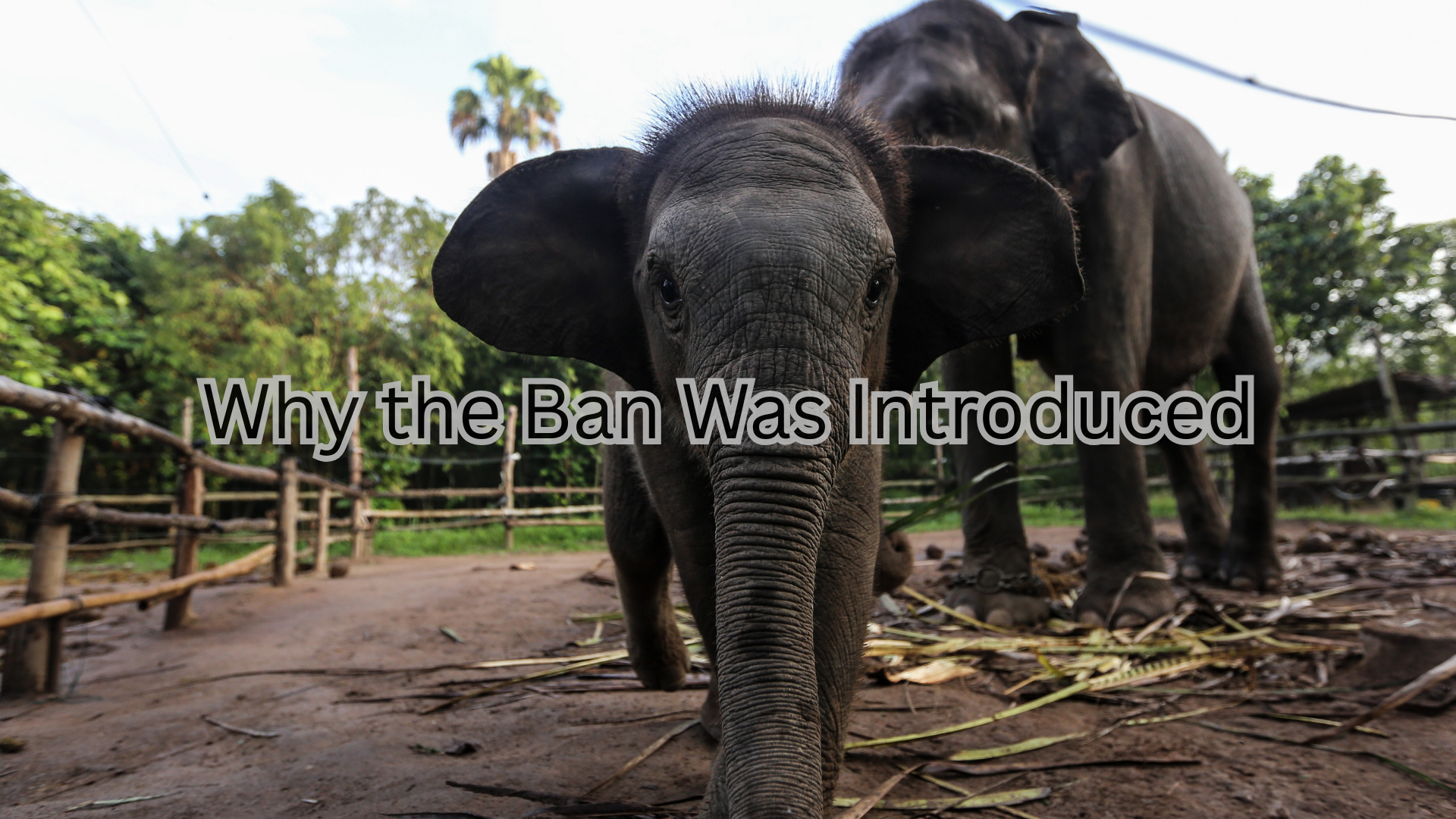
Indonesia has officially banned elephant riding activities nationwide, marking a major shift toward ethical wildlife tourism. The new regulation, issued by the Ministry of Forestry through the Directorate General of Natural Resources and Ecosystem Conservation (KSDAE), prohibits the use of elephants for riding attractions across zoos, conservation centers, and tourism facilities.
In late 2025, the Indonesian government issued an official circular prohibiting elephant riding activities across the country. The ban applies to all tourism facilities, including zoos and conservation parks.
Under the new regulation:
- Elephant riding attractions are no longer permitted.
- Facilities must transition toward non-exploitative, educational wildlife experiences.
- Authorities will monitor compliance through regional conservation offices.
- Non-compliant operators may face administrative sanctions, including potential revocation of permits.
Why elephant riding was banned?
Elephants are highly intelligent, social animals. While elephant rides have historically been popular in certain destinations, increasing global awareness about animal welfare has raised concerns regarding:
- Physical strain on elephant's backs and spines.
- Stress caused by repetitive tourism activities.
- Long term behavioral and psychological impacts.
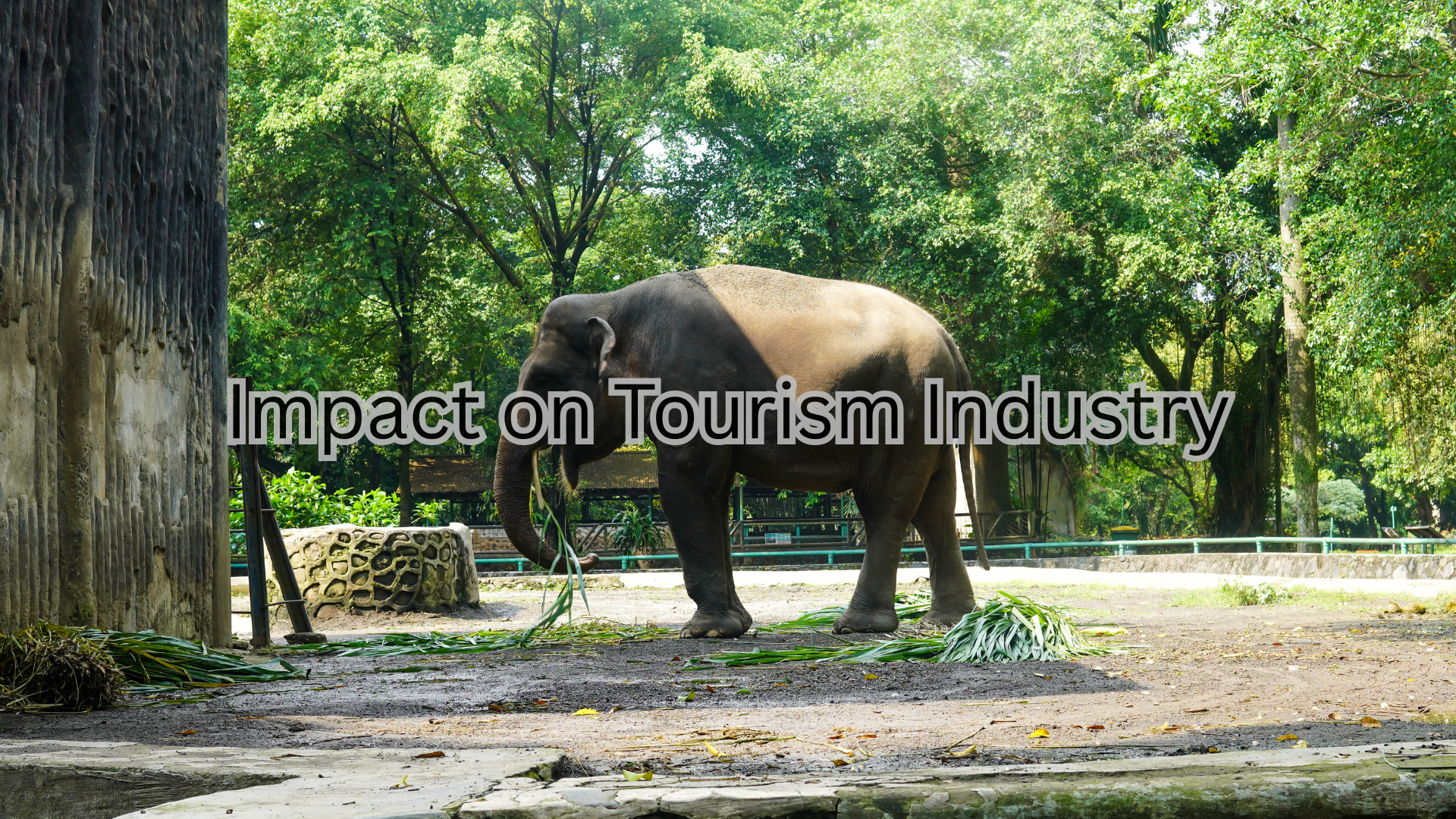
The nationwide ban on elephant riding requires tourism operators to reassess how wildlife experiences are designed and delivered. While it marks the end of a long standing attraction, it also represents an important step toward more responsible tourism practices.
For the industry, this shift encourages:
- Experience redesign toward observation based encounters
- Greater focus on conservation education
- Stronger animal welfare standards
- Long term sustainability over short term commercial gain
At Smailing Tour DMC, this direction strongly aligns with our long term vision. We believe travel should create meaningful connections, not only between people and destinations, but also with nature and local ecosystems.
Sustainable tourism is not a trend for us; it is a guiding principle. From carefully selecting responsible partners to promoting experiences that respect wildlife and local communities, we continuously evaluate our products to ensure they reflect ethical and environmentally conscious values.
As Indonesia moves toward higher animal welfare standards, we fully support initiatives that protect wildlife while enhancing the quality and integrity of travel experiences.
For our global partners and clients, this means confidence in offering Indonesia as a destination that is evolving responsibly, balancing tourism growth with conservation responsibility.
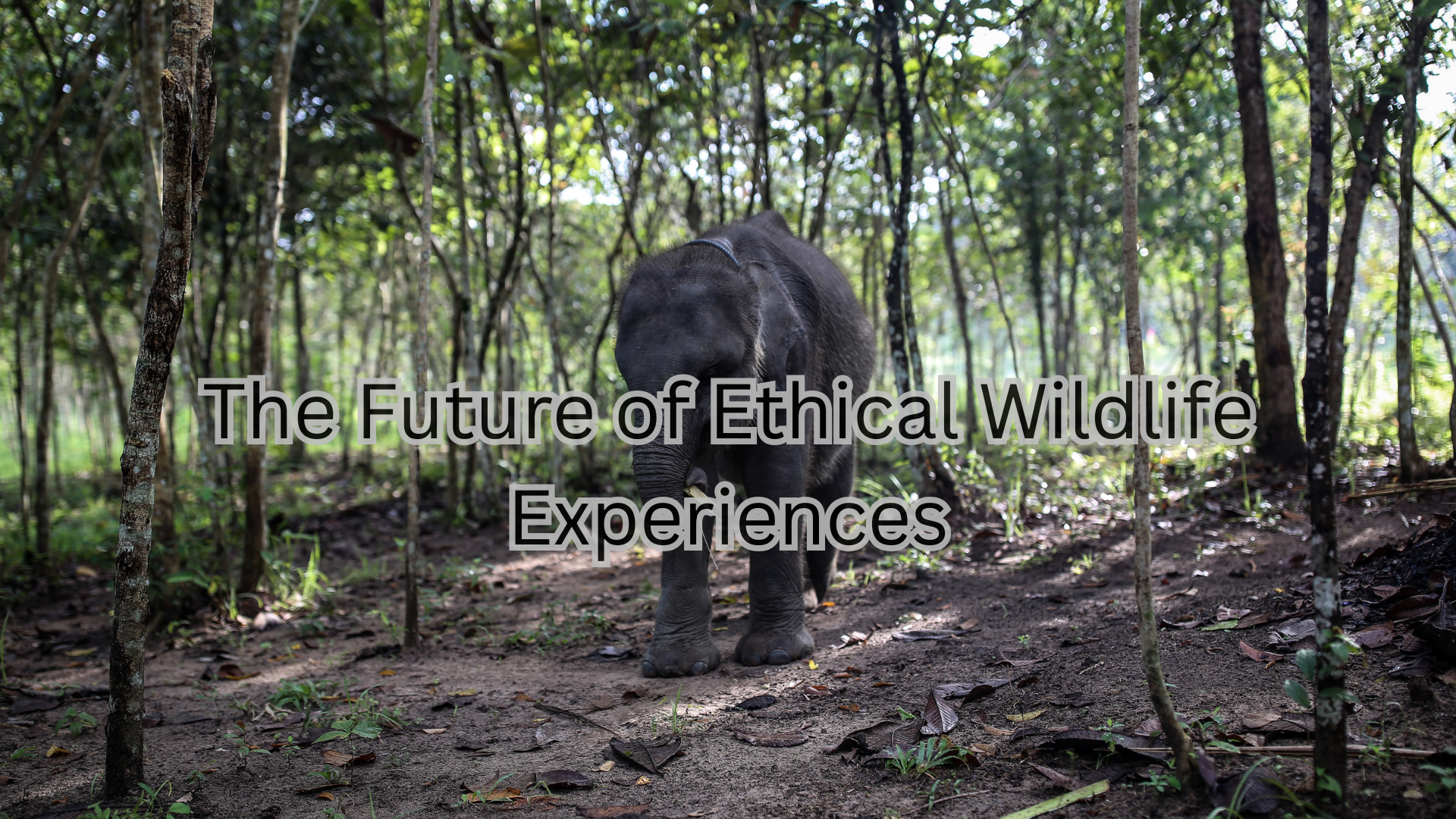
The future of wildlife tourism is being redefined by a growing commitment to respect, responsibility, and conservation. Travel experiences are moving away from activities that place animals in unnatural or harmful situations, and toward encounters that prioritize animal welfare, education, and the protection of natural habitats.
This shift reflects a broader awareness among travelers and the industry alike that meaningful experiences should never come at the expense of wildlife. As destinations evolve, ethical wildlife tourism will focus on observation, understanding, and coexistence, allowing visitors to connect with nature in ways that are respectful, sustainable, and beneficial for both local ecosystems and future generations.